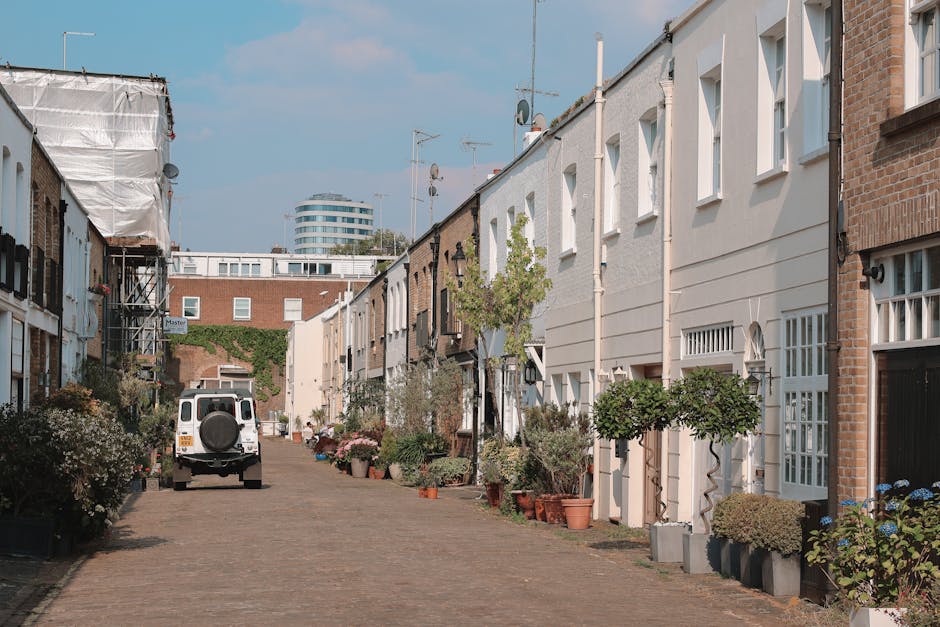
Reliable gardeners on Battersea Bridge Road for small gardens

Small gardens can be brilliant, but they can also be surprisingly fussy. One week they look neat and full of promise; the next, a few fast-growing plants have taken over, the lawn has gone patchy, and the whole space feels tighter than it should. If you are looking for reliable gardeners on Battersea Bridge Road for small gardens, you are probably after more than a quick tidy-up. You want someone who understands compact spaces, works carefully, turns up when expected, and leaves the garden looking calmer rather than chopped about. That matters. A lot.
On Battersea Bridge Road, where outdoor space is often limited and every square foot has to earn its keep, good garden care is about judgement as much as labour. The right gardener knows when to prune lightly, when to tidy hard edges, and when to leave things alone. In this guide, we will look at what reliable small-garden maintenance actually involves, how to choose the right help, what to expect from a visit, and the common mistakes that can make a small garden feel even smaller.
Why Reliable gardeners on Battersea Bridge Road for small gardens Matters
Small gardens do not forgive sloppy work. If a hedge is cut too hard, you see it immediately. If borders are neglected for three weeks, the weeds seem to double overnight. If the lawn is mown too low in a shaded spot, it can thin out fast. That is why reliability is not just a nice extra. It is the difference between a space that feels looked after and one that feels constantly behind.
Battersea Bridge Road has its own rhythm too. There are busy pavements, traffic noise, pockets of privacy, and often a mix of older homes and tighter urban outdoor layouts. In a setting like that, a small garden needs a gardener who can work efficiently without being rough. The best people notice the tiny things: a narrow path that traps moss, a container that dries out too quickly near brickwork, or a climbing plant that needs training rather than trimming into a stump.
Truth be told, many people only realise the value of a reliable gardener after trying to manage it all themselves for a while. You miss one maintenance visit, then another, and suddenly the jobs become less about care and more about rescue work. That is an expensive way to look after a small garden, both financially and emotionally. Nobody wants to open the back door and feel a bit defeated.
How Reliable gardeners on Battersea Bridge Road for small gardens Works
Good small-garden care usually starts with a simple assessment. A gardener will look at what is already there, what needs immediate attention, and what needs a seasonal plan rather than a one-off fix. In compact spaces, the order of work matters because there is rarely room to do everything at once. A sensible visit might begin with a quick walk-through, followed by clearance, edging, pruning, feeding, mowing, and a final tidy of paths and planting areas.
The key difference with a reliable service is consistency. You should not have to explain the same basics every time. A dependable gardener remembers that the side return floods after heavy rain, knows the bay tree should only be lightly shaped, and understands that one overzealous cut can change the look of the whole front or back garden. That kind of continuity saves time and preserves the character of the space.
In practice, the work is often shaped around the season. Spring usually brings clearing, cutting back dead growth, soil refreshment, and a first proper tidy. Summer may focus on watering habits, trimming, deadheading, and keeping growth in proportion. Autumn often brings leaf removal, leaf mould-friendly sorting, and preparing beds for colder months. Winter is quieter, but that is not the same as empty. It is still a good time for structure, pruning decisions, and checking what needs repair before the next growth burst.
For many households, the best arrangement is a regular maintenance plan supported by occasional specialist work. If the garden needs larger structural improvements, services like landscape gardening or landscaping can sit alongside routine care. For day-to-day upkeep, a dependable programme often works better than trying to fix everything in one dramatic visit. Gardens like rhythm. They really do.
Key Benefits and Practical Advantages
The most obvious benefit is a garden that stays presentable, but the real value goes deeper than appearance. When small gardens are maintained properly, they often feel larger, calmer, and easier to use. A narrow outdoor space with clear edges, healthy planting, and proportionate pruning can suddenly feel like an extra room rather than a storage corner with plants in it.
There are also practical gains that people sometimes overlook:
- Better use of space: careful pruning and layout choices stop the garden from feeling crowded.
- Less long-term damage: regular maintenance helps avoid root overcrowding, overgrown hedges, and stressed turf.
- More predictable upkeep: small jobs handled regularly are usually easier than big recoveries later.
- Improved kerb appeal: useful if the property is rented, let short-term, or simply something you take pride in.
- Less personal stress: you do not keep staring at the same border thinking, "I'll sort that next weekend."
There is a subtler benefit too: good gardeners know how to work with small-scale planting. They do not automatically strip everything back just because a space is compact. Sometimes the right move is to reduce bulk without removing softness. Sometimes a bit of height, carefully managed, adds privacy and makes the space feel more generous. Small gardens are a balancing act, and a reliable pair of hands makes that balancing act much less annoying.
If you care about sustainability, it is worth asking how green waste is handled and whether clippings are recycled where possible. Some providers will also offer advice on lower-maintenance planting and smarter watering habits. You can explore a wider approach to responsible garden care through recycling and sustainability practices, especially if you prefer a cleaner, more environmentally considered routine.
Who This Is For and When It Makes Sense
This kind of service is especially useful if your garden is small, busy, awkwardly shaped, or used often. It also makes sense if you have a high standard for tidiness but not much time to maintain it yourself. Not everyone wants to spend Saturday morning deadheading geraniums while the kettle goes cold. Fair enough.
You may benefit most from reliable gardeners on Battersea Bridge Road for small gardens if you are:
- a homeowner who wants a tidy space without constant DIY maintenance
- a landlord looking to keep an outdoor area neat between tenancies
- a busy professional who uses the garden for quiet breaks, not gardening projects
- a family needing safe, usable outdoor space with less clutter and fewer trip hazards
- someone with mature planting that needs careful handling rather than heavy-handed cutting
It also makes sense when you have just moved in and the garden needs a reset. A new property can hide all sorts of surprises. The borders may be full of self-seeded plants, the lawn may need rescuing, or a previous owner may have loved ornamentals a little too enthusiastically. In those cases, a small-garden specialist can help you understand what is worth keeping and what should go. That first sort-out can be a relief.
And if you are unsure whether to book regular maintenance or a one-off visit, ask yourself one question: do you want the garden to stay easy, or just become manageable for a week? That answer usually tells you enough.
Step-by-Step Guidance
If you are arranging garden help for the first time, a clear process makes everything smoother. Here is a practical way to approach it.
- Look at the space honestly. Note what bothers you most: weeds, lawn condition, overgrowth, poor layout, tired pots, or lack of privacy.
- Decide what outcome you want. Do you want a neat low-maintenance garden, a better planting scheme, or a seasonal refresh?
- Check whether you need routine care or specialist work. A small lawn may need mowing and edging, while dense shrubs or boundary planting may need different attention.
- Ask about experience with compact spaces. Not every gardener works well in tight urban gardens. Small spaces call for precision.
- Request a clear scope. A proper visit should be specific about what is included and what is not.
- Agree on frequency. Weekly, fortnightly, or seasonal visits all make sense in different situations.
- Review the results after the first visit. You should see a cleaner, more coherent space, not just less foliage.
One useful detail many people overlook: ask how the gardener thinks about plant structure. In a small garden, the difference between "tidy" and "flat" is enormous. A skilled gardener will keep height, shape, and texture balanced. That is what gives the garden a finished feel rather than a shaved-back look. Little things, but they matter.
If you are comparing service levels, a broader package such as garden maintenance may suit people who want continuity, while services overview pages are useful when you are still working out which tasks you actually need covered. Start with clarity. It saves bother later.
Expert Tips for Better Results
Small gardens respond best to restraint. That may sound obvious, but it is where many people go wrong. If a hedge needs trimming, do just enough to restore shape and light, not so much that you turn it into a green wall with regrets.
Here are a few practical tips that genuinely help:
- Keep edges crisp. A clean lawn edge or border line instantly makes a small garden feel sharper.
- Use height wisely. A vertical plant or trained climber can draw the eye upward and free space below.
- Protect privacy without blocking light. There is usually a sweet spot between exposure and enclosure.
- Choose repeatable maintenance. Planting schemes that need less intervention tend to stay attractive longer.
- Work with the light you have. Many Battersea gardens are partly shaded by walls, fences, or neighbouring buildings.
- Prune in stages if needed. Some shrubs look better if reduced gradually rather than all at once.
For small front gardens especially, a practical planting approach often beats an ambitious one. That is something worth remembering. A tidy bay tree, a compact evergreen, or a few well-chosen flowering pots can carry a space far better than a crowded mix of everything the nursery had on sale. If you want ideas for tight front spaces, this guide on small front garden ideas is a useful companion read.
Also, do not underestimate the power of container care. Containers dry out quickly in sun and can become waterlogged in poor weather. A reliable gardener will notice whether a pot is thriving, sulking, or simply hanging on. It sounds tiny, but it changes the whole feel of the garden. Honestly, sometimes it is the pot that saves the look of the whole place.
Common Mistakes to Avoid
The biggest mistake is assuming a small garden needs less thought. In reality, it often needs more precision, because every decision is visible. One blunt cut or one neglected border stands out immediately.
Watch out for these common issues:
- Cutting back too much at once: this can leave the space bare and expose structural gaps you did not mean to show.
- Ignoring seasonal timing: pruning at the wrong moment can reduce flowering or stress plants.
- Letting weeds seed freely: in a small bed, weeds spread fast and become harder to manage.
- Overcrowding with decorative items: too many pots, ornaments, or furniture pieces can make the area feel cramped.
- Choosing the wrong mower height: cutting too short weakens grass, especially in patchy or shaded spots.
- Hiring on price alone: cheap can be fine, but cheap and careless is a frustrating combination.
Another common problem is assuming every gardener will approach a compact city garden the same way. They will not. Some are better at large-scale clearance, others at decorative planting, and some are simply better at maintenance. A small urban space needs the person who notices the difference between "tidy" and "overworked." Not everyone does, to be fair.
If your garden has overgrown shrubs, awkward corners, or a lot of cuttings after a reset, a targeted service such as garden clearance can be useful before routine maintenance begins. It is often easier to establish good habits once the space is back under control.
Tools, Resources and Recommendations
A reliable gardener will usually bring the right tools for the job, but it helps to understand what quality work often involves. In small gardens, tools need to be precise, quiet enough to avoid unnecessary disruption, and suitable for delicate work near paving, fencing, and planting beds.
Commonly useful tools and materials include:
- sharp secateurs for clean pruning
- hedge trimmers used carefully, not aggressively
- lightweight lawn equipment for compact spaces
- hand forks and trowels for bed work and weeding
- bags or tubs for tidy green waste removal
- mulch or compost for soil improvement where appropriate
When you are choosing a provider, look beyond the tool list and consider the working habits too. Do they keep edges tidy as they go? Do they protect paved surfaces? Do they ask before removing something uncertain? Those small habits are often more telling than a polished sales pitch. A garden is not a stage set. It is a living space, and a good worker respects that.
Some services become relevant only when the space needs more than routine trimming. For example, if the garden includes built-in timber features, decking services may be relevant alongside plant care. If trees are shading the space heavily or creating safety concerns, tree lopping and removal might be part of the conversation, though always handled carefully and appropriately. And for taller boundary growth, hedge trimming can make a dramatic difference without needing a full redesign.
It is also sensible to check business information such as about us, insurance and safety, and health and safety policy before booking. Those pages can tell you a lot about the company's standards without any hard sell.
Law, Compliance, Standards, or Best Practice
For domestic garden work, the main concerns are usually practical rather than formal, but there are still sensible standards to expect. Any gardener working on your property should act safely, work responsibly around tools and access routes, and take reasonable care with waste, neighbours, and shared spaces. That is basic professionalism, really.
From a homeowner's point of view, a few best-practice checks are worth making:
- Insurance: confirm that the provider has appropriate cover for the work they do.
- Safety awareness: tools, ladders, and waste handling should be managed properly.
- Waste handling: green waste should be removed or managed in line with agreed arrangements.
- Property care: paths, walls, fixtures, and neighbours' boundaries should be treated with care.
- Transparent terms: pricing, scope, and any exclusions should be clear before work begins.
It can also help to review payment processes, especially if you prefer written confirmation or staged work. The details should be straightforward and sensible. If you want to understand how a company handles transactions and related safeguards, a page like payment and security can be reassuring.
Where work is more complex, for example involving significant pruning, heavier clearing, or altered access, a responsible gardener should explain any limits and not overpromise. That caution is a good sign. It means they are thinking about the garden, not just the invoice. There is a difference.
Options, Methods, or Comparison Table
If you are trying to decide what kind of help your small garden needs, it can be useful to compare the main approaches side by side. Not every garden needs the same level of attention, and in compact spaces a lighter, regular method often works better than a big, occasional overhaul.
| Approach | Best for | Strengths | Limitations |
|---|---|---|---|
| Regular maintenance visits | Small gardens that need consistent care | Keeps everything tidy, manageable, and predictable | May not solve major overgrowth in one visit |
| One-off tidy up | Neglected gardens or seasonal resets | Quick improvement and visible impact | Problems can return if follow-up is not planned |
| Clearance plus maintenance | Overgrown or newly acquired gardens | Resets the space before ongoing care begins | Usually takes more time and cost up front |
| Design-led upgrades | Gardens needing layout, planting, or structure changes | Improves how the space functions and feels | May require more planning than routine upkeep |
For many Battersea Bridge Road homes, the best option is a combination: reset the garden if needed, then switch to maintenance. That pattern is practical, not flashy, and it usually keeps the space looking its best with less drama. Which, let's be honest, is probably what most people want.
Case Study or Real-World Example
Picture a small rear garden behind a terraced property near Battersea Bridge Road. The space has a narrow lawn strip, two borders, a few containers, and a bit of timber edging that has started to look tired. Nothing terrible, but it has become one of those gardens that never quite settles. Weeds appear fast, one shrub leans over the path, and the lawn gets patchy because the area is partly shaded.
In a situation like that, a reliable gardener would usually begin with a reset: remove accumulated debris, lift obvious weeds, edge the lawn, shape the shrubs lightly, and identify what is genuinely worth keeping. The next step might be a simpler planting scheme with a few stronger specimens rather than lots of small, thirsty plants. Containers could be reorganised so the path feels open again, and the lawn could be managed at a height that suits the shade rather than forcing it to behave like a sun-drenched front lawn in Surrey.
After that first session, a short regular visit every couple of weeks could keep the space in good order. The result is not dramatic in the showy sense. It is better than that. The garden becomes easy to step into, easy to use, and far less mentally noisy. You stop noticing what is wrong and start noticing the light again on a quiet afternoon.
If the property also has a front approach, a compact entrance garden, or privacy screening that needs thought, the right advice can make a noticeable difference. Sometimes the best improvement is not bigger. It is simpler.
Practical Checklist
Before you book, it helps to run through a short checklist. Nothing fancy. Just the useful stuff.
- Is the gardener experienced with small or urban gardens?
- Do they offer the type of help you actually need: maintenance, clearance, pruning, or a mix?
- Have you agreed how often visits should happen?
- Is the scope of work clear and specific?
- Do they explain what will happen with green waste?
- Have you checked insurance, safety, and working practices?
- Do you know how they handle weather delays or seasonal changes?
- Will they protect delicate planting, paving, and boundaries?
- Are pricing and payment terms easy to understand?
- Do you feel comfortable with their communication style?
Quick summary: reliable gardeners on Battersea Bridge Road for small gardens should make life easier, not more complicated. They should leave the garden looking balanced, healthy, and genuinely cared for, with enough flexibility to work around compact layouts and changing seasonal needs.
If you are ready to compare your options, a sensible place to begin is a clear overview of available support and pricing. You can also speak directly with a local provider through the site's pricing and quotes information when you are ready to take the next step.
Conclusion
Small gardens need careful hands, not just busy ones. On Battersea Bridge Road, where space is precious and presentation matters, choosing reliable gardeners means choosing consistency, good judgement, and a calmer outdoor routine. The best results usually come from regular, thoughtful maintenance rather than one-off rescue jobs, though sometimes a reset is exactly what the garden needs first.
When a gardener understands small spaces, they preserve the character of the garden instead of flattening it. They spot the little details, respect the layout, and help the space feel bigger, brighter, and easier to enjoy. That is the real win. Not perfection. Just a garden that feels looked after, season after season, without becoming another thing on your list.
Get a free quote today and see how much you can save.
And if all you want is to open the back door tomorrow and feel a little lighter about the space beyond it, that is a very good reason to get started.
Frequently Asked Questions
What makes a gardener reliable for a small garden?
A reliable gardener turns up when agreed, works carefully, communicates clearly, and understands how to keep a compact space tidy without overworking it. In a small garden, reliability also means consistency from visit to visit.
How often should a small garden be maintained?
That depends on how fast the space grows and how much use it gets. Many small gardens benefit from fortnightly or monthly care, with extra visits in spring and summer if growth is strong.
Is a one-off tidy up enough for a small garden?
Sometimes, yes, especially if the space just needs a reset. But if you want the garden to stay neat, a one-off visit is usually best followed by a maintenance plan. Otherwise the same problems can return fairly quickly.
What should be included in a small garden maintenance visit?
Typical tasks include weeding, edging, pruning, mowing where relevant, deadheading, clearing debris, and tidying borders or containers. The exact scope should be agreed in advance so there are no surprises.
How do I know whether I need clearance or maintenance?
If the garden is heavily overgrown, full of debris, or difficult to access, clearance may be the right first step. If the garden is already in decent shape and just needs upkeep, maintenance is usually enough.
Can a gardener help make a small garden look bigger?
Yes, in practical ways. Careful pruning, smarter planting, cleaner edges, and reducing clutter can make a small garden feel more open and usable. It is often less about adding and more about editing.
What if my garden is shady or awkwardly shaped?
That is very common in city gardens. A good gardener will work with the light levels, boundaries, and layout rather than fighting them. Shade-tolerant planting and careful space planning can help a lot.
Should I ask about insurance before booking a gardener?
Yes, absolutely. It is sensible to ask whether the gardener has suitable insurance and safe working practices. That is part of basic trust, especially if tools, ladders, or larger clearing work are involved.
How can I tell if the gardener understands urban gardens?
Ask about similar work in small or built-up spaces. Look for practical answers about access, paving, neighbours, privacy, and plant choice. Someone who works well in urban gardens will usually talk in specific, grounded terms rather than vague promises.
What are the biggest mistakes people make with small gardens?
Common mistakes include overpruning, overcrowding the space, ignoring weeds until they spread, and choosing plants that are too large or high-maintenance. A small garden usually rewards restraint and regular care more than bold experiments.
Do I need special services if I have hedges, decking, or trees?
Possibly. If the garden includes more technical features, specialist help such as hedge trimming, decking care, or tree work may be needed alongside routine maintenance. That depends on the condition and scale of the garden.
What is the best first step if I am new to hiring a gardener?
Start by identifying your main pain points and the result you want. Then ask for a clear scope, check the provider's working standards, and choose the level of service that suits your garden now, not just what you hope it might become later.