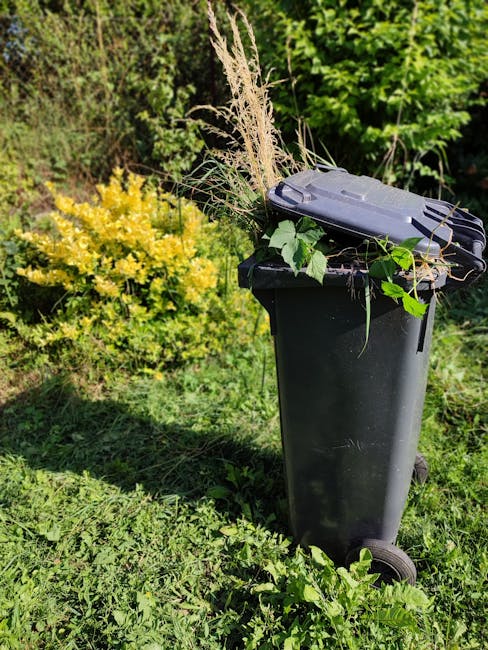
Battersea council rules for green waste and garden clearance

If you are clearing a garden in Battersea, the rules around green waste can feel oddly specific. One moment you are pruning a hedge, the next you are wondering whether a pile of branches, turf, soil, or an old fence panel is classed as garden waste, bulky waste, or something that needs a different route altogether. That confusion is exactly why understanding Battersea council rules for green waste and garden clearance matters. It saves time, prevents rejected collections, and helps you avoid the classic "I thought that was fine" problem that so many homeowners run into.
This guide breaks everything down in plain English: what garden clearance usually includes, how green waste is typically handled in London, where people go wrong, and how to plan a clearance job so it stays tidy, compliant, and realistic. If you are dealing with a one-off garden overhaul or simply trying to keep on top of regular maintenance, you will find practical steps here that make the whole job feel much less messy. Literally and otherwise.
Why Battersea council rules for green waste and garden clearance matters
Green waste is one of those things that seems simple until it is sitting on your driveway in five different piles. In Battersea, the rules matter because garden waste is not always handled the same way as household rubbish. A bag of leaves is one thing. A bag full of soil, broken pots, treated timber, or a few old paving slabs is another. Councils and waste contractors usually expect those to be separated, and the wrong mix can create delays or extra charges.
There is also a practical side to it. Garden clearance often happens after weather damage, seasonal cut-backs, or a long period of neglect. You may be looking at slippery paths, overgrown borders, or a hedge that has got slightly out of hand. The last thing you want is to prepare everything nicely and then have it refused because the load is contaminated with the wrong materials. That happens more often than people think.
For local homeowners, landlords, and small property managers in Battersea, the value of knowing the rules is straightforward:
- you can sort waste before collection
- you reduce the risk of unnecessary return visits
- you keep costs more predictable
- you avoid fly-tipping mistakes, which are never worth the risk
- you can decide whether a simple collection or a full garden clearance is the better option
If you are planning wider outdoor improvements, it may also help to look at related services such as garden clearance, garden maintenance, or even landscaping if the space needs a bigger reset rather than just a tidy-up.
Practical takeaway: the cleaner and more separated your garden waste is, the easier it is to clear legally and efficiently. Mixed loads tend to create headaches. Sorted loads tend to move smoothly.
How Battersea council rules for green waste and garden clearance works
At a basic level, the process is about separating organic garden material from everything else and making sure it is collected or disposed of through the right route. In plain terms, green waste usually means biodegradable garden material such as grass cuttings, hedge trimmings, leaves, small branches, weeds, and plant matter. Garden clearance, by contrast, can include a much broader set of items, and that is where people sometimes get caught out.
A sensible approach is to think in layers. First, identify what is truly green waste. Then separate anything bulky, hard, sharp, treated, or mineral-based. A cleared garden might contain:
- green waste: clippings, leaves, soft plants, cuttings
- wood waste: untreated branches, logs, timber offcuts
- hard materials: broken slabs, bricks, soil, rubble
- mixed garden junk: old pots, planters, rusted frames, damaged edging
- special items: tree stumps, large trunks, heavy root balls
That distinction matters because a light green waste load and a mixed clearance load are not handled in the same way. If you are arranging a collection, the provider will usually want to know whether the material is loose, bagged, bundled, or mixed with non-organic waste. They may also need a clear idea of access: front garden only, rear access, narrow side passage, steep steps, or limited parking. In Battersea, access can be the real challenge, not the garden itself.
If your garden includes heavy overgrowth, collapsed shrubs, or awkward tree work, it can be worth pairing clearance with hedge trimming or tree lopping and removal. That way the work is handled as a single plan rather than a series of half-finished weekend jobs. Let's face it, most people do not want to drag a project across three Saturdays if it can be done properly once.
One thing to keep in mind: councils and waste operators generally care about what is in the load, how it is presented, and whether it can be processed responsibly. That means cleanliness, separation, and transparency go a long way.
Key benefits and practical advantages
Following the rules is not just about avoiding trouble. It also makes the whole process easier and often cheaper in the long run. The benefits are simple, but they matter.
Cleaner disposal and fewer refusals
When green waste is sorted correctly, it is far less likely to be rejected. That means fewer delays, fewer awkward conversations at collection time, and less chance of the load needing to be reworked.
Better value for money
Mixing waste types can push a job into a more expensive category. A bin or van load containing only garden organics is usually easier to handle than one mixed with soil, timber, and old fixtures. Sometimes a little sorting at the start saves a surprisingly large amount of effort.
Safer on-site working
Broken glass in a bed, nails in an old planter, or hidden rubble under dense growth can turn a basic clearance into a safety issue. Separating waste makes the site easier to walk, lift, and work in.
Better for the garden itself
Clearance is not only about removal. It is also an opportunity to reset the space. Once the waste is gone, you can see what is actually happening under the overgrowth: drainage issues, soil condition, damaged borders, or areas that need replanting. That is where a proper plan starts to pay off.
More sustainable handling
Where possible, organic garden waste should be handled in a way that supports composting or recycling routes rather than ending up mixed with general rubbish. If sustainability matters to you, it is worth asking how the waste will be sorted and processed. You can also explore the company's approach to recycling and sustainability if you want the bigger picture.
Who this is for and when it makes sense
This topic is relevant to far more people than you might first think. Battersea includes a mix of terraced homes, flats with shared gardens, small patios, and larger private outdoor spaces. Different property types create different waste problems.
You may need to understand green waste rules if you are:
- a homeowner clearing after seasonal pruning
- a landlord preparing a garden for new tenants
- a property manager dealing with a neglected outdoor area
- a busy family trying to clear back months of plant growth
- someone redesigning a garden and removing old borders or features
It also makes sense if you have a one-off job rather than ongoing maintenance. A few examples: a hedge has grown too wide, the lawn has been smothered by clippings, or a long winter has left the borders full of dead growth. You do not always need a major landscaping project. Sometimes you just need a clean, practical clear-out and a fresh start.
And yes, there is a difference between a tidy garden and one that looks tidy from the path but is actually hiding three bags of cuttings behind the shed. We have all seen that garden.
If your space needs regular attention rather than a single big clear-up, ongoing garden maintenance or something lighter like lawn mowing may be more sensible than a one-off heavy clearance. The right choice depends on the scale of the mess, not on optimism alone.
Step-by-step guidance
If you want the job to go smoothly, work through it in order. A good garden clearance is usually less about heavy lifting and more about sequence. Here is a simple process that works in the real world.
- Walk the garden first. Do a slow lap and note everything that needs removing. Separate green waste, timber, soil, and anything sharp or bulky.
- Decide what stays. Keep useful compost, healthy plants, potted specimens, and anything you want to reuse. It sounds obvious, but people often skip this and regret it later.
- Cut back before lifting. If hedges, branches, or tall stems are still standing, trim them first. That makes the waste smaller and easier to stack.
- Bag or bundle appropriately. Loose leaves and clippings may be fine in sacks, while branches often work better in bundles. Check that bags are not overfilled.
- Separate non-green waste. Soil, turf, rubble, pots, fencing, and treated wood should not be mixed in with ordinary plant waste.
- Check access. Can waste be carried through the house? Is there a side passage? Will a van need parking close by? These details matter more than people expect.
- Book the right level of service. Small tidy-up, partial clearance, or full garden clearance. Choose based on actual volume, not wishful thinking.
- Plan the finish. If the space is being replanted or redesigned, line up the next stage. Otherwise the garden can sit in limbo for weeks.
A useful trick is to work from the top down. Start with tall growth, then shrubs, then beds, then ground-level debris. You will often find that once the bulk is removed, the rest becomes much easier. Strange how that works, really.
For more involved outdoor changes, it may help to think beyond clearance and consider landscape gardening or broader services overview options if the project is going to evolve after the waste has gone.
Expert tips for better results
There are a few small habits that make a garden clearance noticeably smoother. These are the sorts of things that often separate a rushed job from a tidy, professional one.
- Dry waste is easier to handle. If possible, avoid clearing soggy grass or saturated clippings straight after heavy rain. Wet waste is heavier and more awkward.
- Bundle long materials neatly. Branches, canes, and lightweight timber are quicker to move when tied in manageable lengths.
- Keep a "maybe" pile. Put uncertain items aside. Old plant pots, cracked edging, and half-usable materials can be reviewed at the end instead of thrown away by accident.
- Watch for hidden hazards. Broken glass, rusty wire, and loose nails often sit under foliage. Gloves help. So does a little patience.
- Think about the next rainstorm. If the garden has poor drainage, clearing it may reveal puddling or compacted soil. Better to notice that now than after replanting.
Another good habit is to take a few photos before the work starts. Not for social media, obviously, but for planning. If you can see the whole job in one set of images, it is easier to estimate volume, access, and what kind of waste containers or labour are needed.
If you are comparing service types, you may also find it useful to look at related work like hedge trimming or landscaping when clearance is part of a bigger refresh. A lot of gardens need both tidying and redesign. One without the other can feel half-done.
Common mistakes to avoid
The most expensive garden clearances are often the ones that looked cheap at the beginning. That sounds dramatic, but it happens. Here are the usual mistakes.
Mixing green waste with everything else
This is the big one. Grass cuttings are not the same as rubble, and branches are not the same as treated fence panels. Mixing them up creates disposal problems and can raise costs.
Underestimating the volume
A small pile of trimmings can become three times larger once it is cut down and bagged. People often eyeball the job from the back door and get it completely wrong. To be fair, gardens are sneaky like that.
Leaving heavy items until last
Soil, stones, and wet compost are harder to move than most people expect. If they are hidden at the bottom of the pile, the job becomes awkward very quickly.
Ignoring access issues
Narrow side alleys, low gates, shared entrances, and parked cars can all slow a clearance down. A difficult access route may matter more than the amount of waste itself.
Skipping safety checks
It is tempting to grab whatever is in reach and start loading. But hedges can conceal old wire, and old beds can hide broken edges. A quick check before lifting saves a lot of grimacing later.
Assuming every service handles every waste type
Some providers are set up for green waste only; others can handle mixed garden clearance. If you have a blend of materials, make sure the service is suitable before you book.
One more small but important point: do not leave a cleared site without knowing where the waste is going. Responsible disposal matters, and you should feel comfortable asking how the material will be handled.
Tools, resources and recommendations
You do not need a warehouse full of equipment to manage garden waste well. A few practical tools go a long way, especially if you are dealing with a medium-sized clear-up.
- Heavy-duty gloves for thorny growth, damp waste, and hidden sharp items
- Bypass secateurs for clean cuts on smaller stems and soft growth
- Loppers or pruning saw for thicker branches
- Rubble sacks or strong garden bags for carrying loose material without splitting bags halfway through the path
- Tarpaulins for gathering waste into one place before loading
- Wheelbarrow or garden trolley if access is awkward
- Rake and broom for final clean-up so you are not left with a dusty, gritty finish
For people who want the job handled with less disruption, it can be smart to compare a simple clearance with a broader package that includes regular care. A one-off clear-up may solve the immediate issue, but ongoing work often prevents the same problem returning in a few months. That is where garden maintenance becomes genuinely useful.
If you are dealing with trees, boundary growth, or overhanging branches, professional help may be the safer route. Tree work in particular can turn messy fast, and not in the charming cottage-garden way. If in doubt, see whether tree lopping and removal is the better fit.
Law, compliance, standards and best practice
For this topic, the safest way to think about compliance is simple: garden waste should be handled responsibly, kept separate where needed, and disposed of in line with accepted UK waste practice. You do not need to become a legal expert, but you should understand the basic expectations.
In practical terms, that means:
- do not dump garden waste illegally
- separate green waste from non-organic material where possible
- make sure any contractor you use can explain how waste is handled
- keep hazardous or awkward items out of ordinary green waste loads
- follow property and access rules if you are working in a shared building or managed space
Where councils, landlords, or managing agents are involved, there may also be local site rules, booking systems, or access constraints that sit alongside general waste expectations. That is especially true in mixed residential areas like Battersea, where a small front garden, communal path, and parked cars can complicate even a basic job.
If a clearance is part of a bigger property improvement, it is also worth checking practical terms around scheduling, payment, and site access before work begins. Related information such as terms and conditions, payment and security, and insurance and safety can give you a clearer picture of how a professional service should operate.
Best practice, in plain English, means clear quoting, safe handling, honest sorting of waste types, and sensible communication. Nothing flashy. Just solid work done properly.
Options, methods, or comparison table
There is more than one way to deal with garden waste in Battersea, and the right option depends on what you have on site. Here is a simple comparison to make the decision easier.
| Method | Best for | Pros | Watch-outs |
|---|---|---|---|
| DIY bagging and local disposal route | Small amounts of leaves, grass, and light cuttings | Low cost, straightforward, flexible timing | Time-consuming, physically demanding, easy to overfill bags |
| One-off garden clearance service | Neglected gardens, mixed green waste, bulky cutbacks | Fast, practical, less lifting for you | Needs accurate load description and access information |
| Regular maintenance visits | Gardens that stay busy all year, especially with hedges and lawns | Prevents build-up, easier budgeting, consistent finish | Not ideal if the space needs a major reset first |
| Combined clearance and landscaping | Full garden refreshes and redesigns | Efficient, joined-up, better for transformations | Requires more planning and a clearer brief |
For many Battersea homes, the sweet spot is somewhere between a one-off clearance and ongoing maintenance. If the garden has simply got away from you, clear it once, then set a lighter routine afterwards. It is much easier to stay on top of a garden than to rescue one every year. I mean, that's gardening in a nutshell, isn't it?
Case study or real-world example
Imagine a small Battersea terrace with a rear garden that has not been touched properly since late autumn. By spring, the lawn is patchy, the hedge has pushed out into the path, and there are three separate piles of cuttings sitting near the fence because nobody knew what to do with them.
The first instinct is often to start loading everything together. But that is where the trouble begins. The clippings are light and compostable. The pruned branches are woody and bulky. Under the hedge, there is a bit of soil, a cracked pot, and an old metal trellis that was meant to be temporary about two years ago.
A better approach is to separate the material first:
- soft green waste goes into one pile
- woody trimmings are bundled separately
- soil and hard items are kept out of the green waste load
- the hedge is cut back before the final sweep
By the time the work is done, the space feels very different. The path is clear, the borders are visible again, and the garden suddenly looks like a garden instead of a storage area for old plant debris. That moment of seeing the space breathe again is often what people really want, even if they start out talking about "just a bit of waste removal."
If the job uncovers a larger issue such as awkward layout, tired planting, or a deck area that no longer fits the space, it can be worth thinking about broader improvements like decking services or a more complete landscape gardening plan.
Practical checklist
Use this quick checklist before any green waste or garden clearance work begins:
- Have you separated green waste from soil, rubble, and treated wood?
- Have you checked whether branches, stumps, or bulky items need special handling?
- Is the access route clear for carrying waste out safely?
- Have you identified anything sharp, hidden, or potentially hazardous?
- Do you know whether this is a small tidy-up or a full clearance?
- Have you decided what will be reused, kept, or composted?
- Are you clear on how the waste will be removed and processed?
- If using a professional, have you discussed scheduling, payment, and site access?
- Is there a follow-up plan for keeping the garden under control?
If you can tick most of those off, you are already ahead of the game.
Get a free quote today and see how much you can save.
Conclusion
Battersea council rules for green waste and garden clearance are not something to fear, but they do reward a careful approach. Once you separate garden organics from mixed waste, think through access, and choose the right level of service, the whole process becomes much more manageable. No drama, no wasted trips, no awkward surprise at collection time.
For most people, the real win is not just getting rid of a pile of clippings. It is getting the garden back to a usable, calm space that feels looked after again. And honestly, there is something very satisfying about that first clear view across a freshly tidied garden after a grey London morning. Small thing, maybe. But it matters.
If you want help with the wider project, related pages like garden clearance, garden maintenance, and services overview can help you plan the next sensible step. Either way, the best gardens usually start with a clear, practical decision and a proper tidy-up. The rest follows.
Frequently Asked Questions
What counts as green waste in a Battersea garden clearance?
Green waste usually means biodegradable garden material such as grass cuttings, leaves, weeds, hedge trimmings, flowers, and small plant matter. It does not normally include soil, rubble, pots, treated wood, or broken fixtures.
Can I mix soil with green waste?
Usually, no. Soil is heavier and handled differently from soft garden waste. Mixing it in can make collection or disposal more difficult, and sometimes more expensive.
Do I need a full garden clearance or just waste collection?
If the garden only has a few bags of cuttings, a simple collection may be enough. If the space is overgrown, cluttered, or mixed with bulky items, a full garden clearance is usually the better fit.
What happens if my garden waste includes old fencing or timber?
That material should normally be separated from green waste. Old fencing, posts, and treated timber are not the same as plant matter and may need a different disposal route.
Is hedge cuttings waste treated as green waste?
Yes, hedge cuttings are generally classed as green waste if they are purely plant material. If they are mixed with wire, plastic ties, or other debris, the load becomes more complicated.
Can I compost my own garden waste instead of arranging removal?
Yes, for suitable material like leaves, soft cuttings, and small organic waste, composting can be a good option. It is less useful for large branches, invasive roots, or mixed waste from a clearance job.
How do I know if access will affect my garden clearance?
If the waste has to be carried through a narrow passage, up steps, or around parked vehicles, access will matter. A quick look at the route before work starts makes the job much easier to manage.
What is the difference between garden maintenance and garden clearance?
Garden maintenance is ongoing care such as mowing, trimming, and tidying. Garden clearance is a larger clean-up, usually for overgrown, cluttered, or neglected spaces.
Are tree stumps and large branches part of standard green waste?
Not always. Large branches, trunks, and stumps often need separate handling because of their size and weight. They may be included in a clearance service, but they are not the same as light garden clippings.
Can a professional service handle mixed garden waste?
Often yes, but only if the service is set up for it. The important thing is to describe the waste accurately so the right method, vehicle, and disposal route can be used.
How can I prepare my garden before a clearance visit?
Separate green waste from other materials, clear access paths, identify any sharp or heavy items, and decide what you want to keep. A few minutes of preparation can save a lot of time later.
What if my garden needs both clearance and redesign?
Then it may make sense to combine clearance with broader work such as landscaping or landscape gardening. That way, the cleared space can move straight into the next stage instead of sitting unfinished.